Quorn mycoprotein

Everything you need to know about the unique and nutritious key ingredient: learn how Quorn mycoprotein was discovered, its nutritional profile, and environmental impacts.

Here you will find everything about our unique ingredient, Quorn mycoprotein, and the growing evidence-base that underpins our work. Plus, you will find a range of free resources to support you when talking to patients or clients about vegetarian or vegan diets and incorporating Quorn products into their favourite recipes.
Everything you need to know about the unique and nutritious key ingredient: learn how Quorn mycoprotein was discovered, its nutritional profile, and environmental impacts.

Delve into the areas of health and wellbeing where Quorn mycoprotein can make a real difference.

Understand the ambition driving our research and explore our published and upcoming research.

Browse through our useful resources available for healthcare professionals and patients/clients.

Questions about Quorn mycoprotein? Find answers to the most frequently asked questions here!

Meet the leading scientists at Quorn, and the professionals and academics we partner with to continually improve our evidence base.
At Quorn, we are proud of the positive impacts our products can have on health and wellbeing. Here, we summarise our 30-year history of supporting academic research into the effects that Quorn and its key ingredient, Quorn mycoprotein, have on various aspects of physical health.

Work to find an alternative protein source for humans began in the 1960s
Explore the history of Quorn mycoprotein
The product carbon footprint of Quorn Mince, which is made from Quorn mycoprotein, can be considered to be at least 10x lower than that of beef
Find out about sustainbility and Quorn
We work with independent experts across all our nutritional research in order to improve and expand knowledge on the evidence base for Quorn mycoprotein. You can meet them here.
Meet all our experts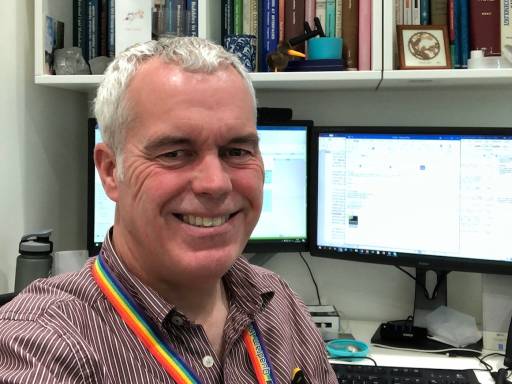
Professor Pete Wilde heads the food structure and digestion research at the Quadram Institute Bioscience, Norwich, UK.
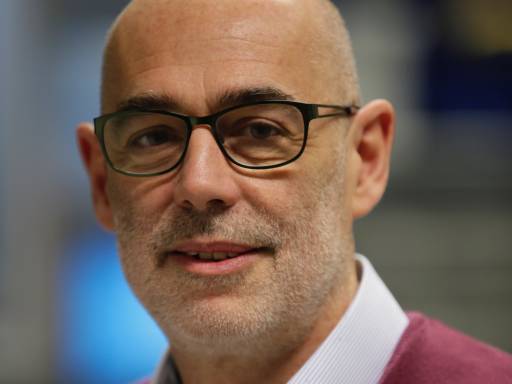
Professor Gary Frost is head of Section for Nutrition Research at Imperial College and leads the Imperial Centre for Translational Nutrition and Food Research.
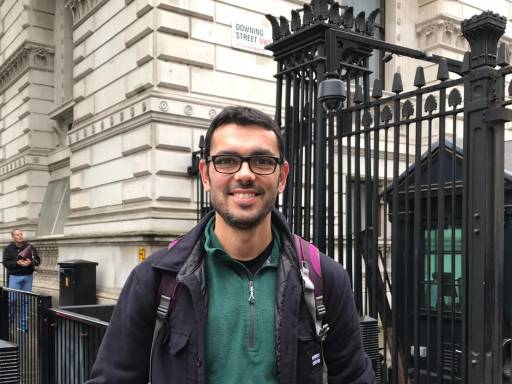
Dr Jose Muñoz is currently a Vice Chancellor Research Fellow in Human Nutrition at Northumbria University, UK.

Louise Durrant is a Registered Dietitian and is Nutrition Communications Manager at Quorn Foods. She holds both a BSc in Nutrition & Dietetics and a PhD in Nutritional Sciences from the University of Surrey.
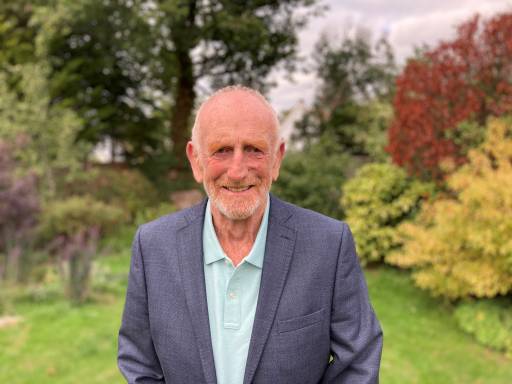
Gareth has contributed to the Quorn project for over 50 years. In 1969, he joined the nutrition team at The Lord Rank Research Centre, High Wycombe, the science and technical centre of Ranks Hovis McDougall (RHM).
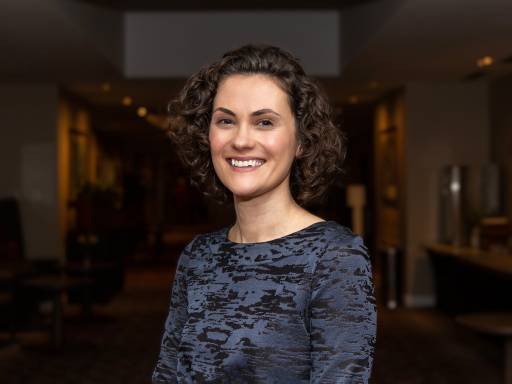
Bibi is Head of Environmental Sustainability for Quorn Foods. She has a background in continuous improvement and business transformation, across food businesses such as United Biscuits, KP Foods, Jordan’s Ryvita and Dairy Crest.

Daniel Commane is the Food and Nutrition research theme lead at Northumbria University. He completed a Yakult funded PhD at the University of Ulster investigating the mechanisms by which pro- and prebiotics protect against colorectal cancer development.

Dr Hannah Theobald, a Registered Nutritionist, is Head of Nutrition at Quorn Foods. She holds both a BSc and PhD in nutrition from King’s College London and a Diploma in sports nutrition from the International Olympic Committee. Hannah is also a Fellow of the Institute of Food Science and Technology (IFST).
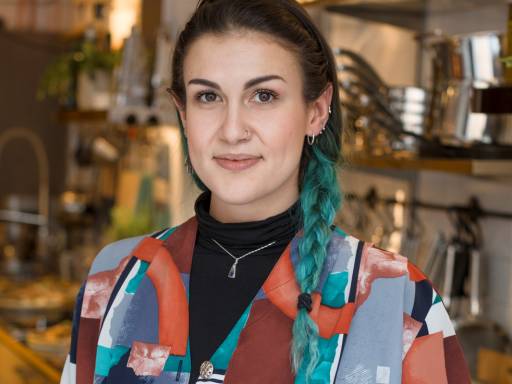
Tess currently leads on Quorn Foods’ social value and external engagement strategies. Her experience communicating the Quorn mycoprotein science agenda and as a spokesperson for the business has enabled high-profile representation on behalf of the business at events including the International Congress of Nutrition, Chatham House, EAT Forum, and within policy forums.

Professor Benjamin Wall is a Muscle Physiologist, with a specific interest in how physical (in)activity and nutrition influence how muscle tissue adapts over the lifespan.

Professor Tim Finnigan is a Visiting Professor at Northumbria University the former Chief Scientific Officer at Quorn Foods, responsible for the research collaborations that underpin our agenda for sustainable nutrition.

Dr Emma Derbyshire is an established nutritionist who has published over 150 peer-reviewed publications within the field of nutrition and public health, winning several writing awards.

Professor Francis Stephens is currently a Professor of Exercise Metabolism and Physiology at the University of Exeter, UK, where he is researching nutritional strategies to enhance muscle adaptation to exercise training and improve blood glucose control.
Simply enter your details to be added to our mailing list.


